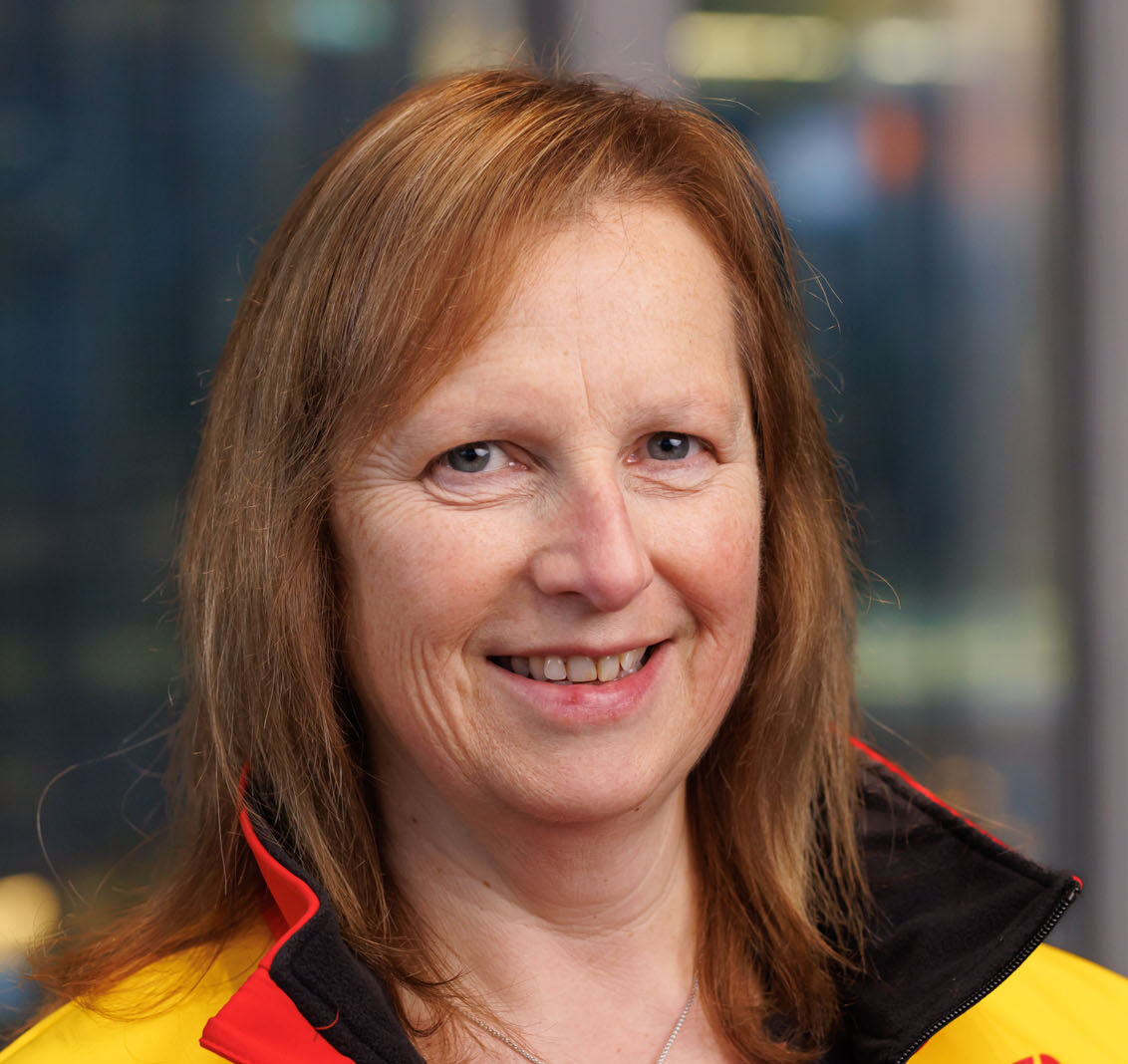
Lindsay Bridges, Global Head of HR, DHL Supply Chain discusses the evolving role of HR.
HR is no longer just responsible for managing a workforce. A business can have a strong growth strategy, a promising new customer and the technology to improve performance, but turning those plans into results depends on something that is often overlooked – the people who will make it happen.
Whether a company is entering a new market, taking on a complex contract, or changing how work gets done, the skills and confidence of employees influence whether a commercial opportunity succeeds.
This is why HR needs to be involved from the outset, to help shape decisions that work for both the business and its workforce.
Bringing HR into decisions
Having a seat at the table is about more than simply being present at board meetings. It means having an equal voice in discussions, the confidence to challenge proposals and the opportunity to influence decisions beyond the traditional remit of HR. At DHL, the expectation is that HR leaders operate as business leaders with a specialism in people, rather than as HR professionals working separately from the rest of the organisation. We’ve seen firsthand the difference this can make in business growth and customer relationships.
“The customer’s confidence in that approach… offered a clear demonstration of HR’s commercial value.”
When a major life sciences company was deciding whether to outsource its logistics operations, it had concerns that went beyond cost, efficiency and service delivery. Its employees had worked for the business for years, and transferring them to a third-party logistics provider raised difficult questions about how they would respond and what the impact could be on operational performance. By involving the regional HR team early in the bid, we were able to demonstrate how employees would be supported and how the transfer would be managed. The customer’s confidence in that approach helped secure the business and offered a clear demonstration of HR’s commercial value.
The same principle applies to entering new markets. Establishing operations in a country where a business has not previously operated requires more than a commercial opportunity and an operational plan. It also requires the ability to recruit or transfer people, establish payroll and employment processes, and retain the skills needed to deliver the service. HR’s involvement helps ensure these foundations are in place.
In each case, the value comes from connecting people’s expertise to the wider business objective, rather than treating the two as separate agendas.
Turning talent development into a source of growth
As the nature of work changes, organisations must make deliberate choices about where their future skills will come from. One useful way to frame the decision is to ask whether capabilities should be built internally, bought through external recruitment, or provided through automation: build, buy or bot. There is no universal answer. The right approach depends on the skills required, the talent already available within the organisation, or the potential to develop existing employees.
Year to date, 62% of DHL Supply Chain’s management vacancies have been filled internally. The figures illustrate the scale of the opportunity to develop and draw on existing talent, rather than relying exclusively on external recruitment.
One tool supporting this is the Career Marketplace, a digital platform where employees can create profiles outlining their skills, experience and career interests. The system then matches them with available vacancies, helping people identify opportunities they might not otherwise have considered.
Alongside this, the business encourages employees to create individual development plans and provides structured career pathways. These pathways help employees understand the steps they can take to progress from a frontline position into a first-line leadership role, through to operations management, and potentially into senior leadership roles.
The key takeaway is that workforce planning is not about filling today’s vacancies. It is about anticipating the capabilities the business will need in the future and creating routes for people to acquire them.
Making technology work for the workforce
HR’s strategic contribution becomes equally important when businesses invest in technology to change how work is done. As a function, HR has a critical role in helping a business understand what a proposed investment will mean for the tasks employees carry out, what activities may change or be replaced, and what support will be needed to help people adapt.
That requires HR to engage with the implications of an investment before implementation, rather than only becoming involved when roles or headcount are affected. It also calls for an honest assessment of what the organisation needs, and requires balancing responsibilities that can sometimes appear to be in tension. HR leaders have a duty to support employees and ensure change is handled fairly and ethically, while also having a responsibility to help the business make sound commercial decisions.
Preparing people to navigate change
Workforce challenges are not limited to technical skills. Organisations also need employees and leaders who can operate effectively in uncertain conditions. The pace of change means today’s leaders must be adaptable and resilient, able to make decisions quickly, while retaining sound judgement. They also need the confidence to acknowledge when a decision has not worked and change direction without allowing the fear of getting something wrong to slow progress.
“Ultimately, HR’s role in business growth extends well beyond recruitment and employee training.”
Equally important is the ability to lead people through change, and creating an environment where people understand each other and feel able to speak openly is part of this.
DHL Supply Chain is investing in its belonging agenda through its ‘Belonging at Work’ programme, which brings teams together for facilitated sessions in which colleagues discuss their similarities and differences and how these shape their experiences.
The underlying principle is that people should be treated as individuals, rather than making assumptions about their needs or ambitions based on their generation or background. Creating conditions in which colleagues feel able to contribute and be themselves can help build the trust needed to navigate change together.
Rethinking flexibility and the future workplace
One area requiring greater attention is flexibility for frontline employees. Flexible working is often discussed in terms of hybrid and remote arrangements, but this does not reflect the realities of frontline roles, where physical presence is essential. And while employees cannot ship boxes or pack pallets from their living rooms, that doesn’t mean flexibility is out of reach. It means organisations need to rethink how work is scheduled and organised, rather than relying solely on traditional fixed shifts. Achieving this, however, will require changes to systems, processes and management mindsets, not simply a new policy.
Longer-term talent mobility is another consideration. International assignments can help develop resilience, adaptability and a broader understanding of the business, while building experience needed for future leadership roles. These opportunities are not just about filling an immediate vacancy. They are part of preparing leaders for the longer term, potentially over a 10- to 20-year horizon.
Ultimately, HR’s role in business growth extends well beyond recruitment and employee training. It means helping the organisation make better commercial decisions, understand the implications of an investment, and create the conditions in which people can succeed.
When people strategy and commercial strategy are developed together, HR is not simply supporting the business. Instead, the function moves beyond responding to change and becomes an active partner in shaping what the organisation can achieve.