
Simon Reichwald, Founder, UnTapped Talent UK and Expert Panel leader for The HR World explores the idea of work readiness and asks if young people are the issue?
Are young people ready for the world of work, or is the world of work not ready for young people?
Or have we been asking the wrong questions?
Maybe Young People Aren’t the Problem?
Most discussions about work readiness over the years, start with the assumption that young people are not prepared for work. But does this assumption mean we focus on the wrong thing?
The more employers I speak to, the more I wonder whether we have spent years talking about employability, or the dreaded ‘oven ready graduate’, and now ‘work readiness’ which implies the problem is with the young person not being ready, when in reality we have a system problem.
If employers, educators and policymakers cannot agree on what work readiness means, how can we reasonably expect young people to understand the standard they are being asked to meet?
Are Employers Looking for Work Readiness or Cultural Familiarity?
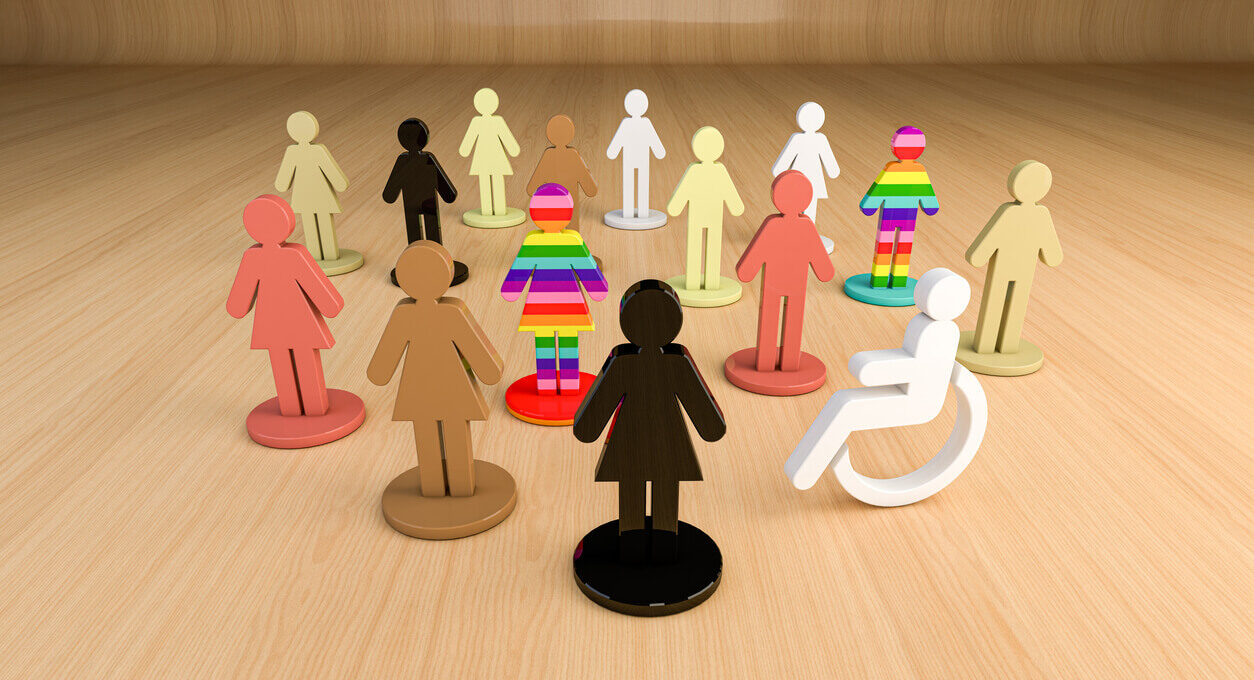
For decades, many workplace behaviours were learned through family networks and exposure to professional environments, including through work experience. Those who had access to these networks and opportunities, build social capital, and thus often appear more “work ready” than those who did not.
As organisations become more inclusive, we should ask whether some of the behaviours we describe as ‘work readiness’ are genuinely essential for success or simply reflections of familiarity with those having high social and cultural capital
Have too many Employers Outsourced Their Responsibilities?
Have employers unintentionally outsourced responsibility for workplace preparation to the education system?
If organisations expect schools, colleges and universities to produce ‘work-ready’ young people, where does employer responsibility begin?
Is Work Readiness Achievable Before Work?
We hear that for a lot of employers some of the most effective work-readiness interventions happen both after an offer has been accepted and long after somebody joins.
Which raises an interesting question: if work readiness continues to be developed through pre-boarding, onboarding, coaching and workplace experience, can anyone ever be truly work ready before they have actually worked?
Are We Measuring the Wrong Things?
Historically, many employability frameworks have focused on things like CV writing, Interview & Presentation skills, yet employers are increasingly talking about, key future skills such as Judgement, Curiosity, Adaptability, Critical thinking, and Learning agility.
As AI becomes increasingly capable of generating content, analysing information and completing routine tasks, the differentiators of future work may not be technical capability but human capability. If that is true, are our current employability programmes measuring the wrong things?
What if work readiness is not a characteristic of young people, but a characteristic of the system that supports their transition into work?
And if that is true, what is a realistic and achievable level of work readiness?
If we cannot answer that question collectively, we risk continuing to debate symptoms while never addressing the root cause.
I believe the first and crucial step is for our education systems, employers and policymakers to align around what work readiness means in the first place.
With all this in mind, I am part of the Work Ready Futures Group, a coalition of leaders across education, skills, and employment tackling a shared challenge: helping young people successfully bridge the gap into employment while giving employers the confidence that new hires are ready for work.
I’d be interested to know whether others see work readiness as something that should be achieved before employment, and if so, would you want to be part of our employer consultation?
To join in the debate or to find out more about the employer consultation please contact Simon.kent@thehrworld.co.uk