This Much I Know | Voices

Learning in Reverse

by Simon Kent | Mar 3, 2025

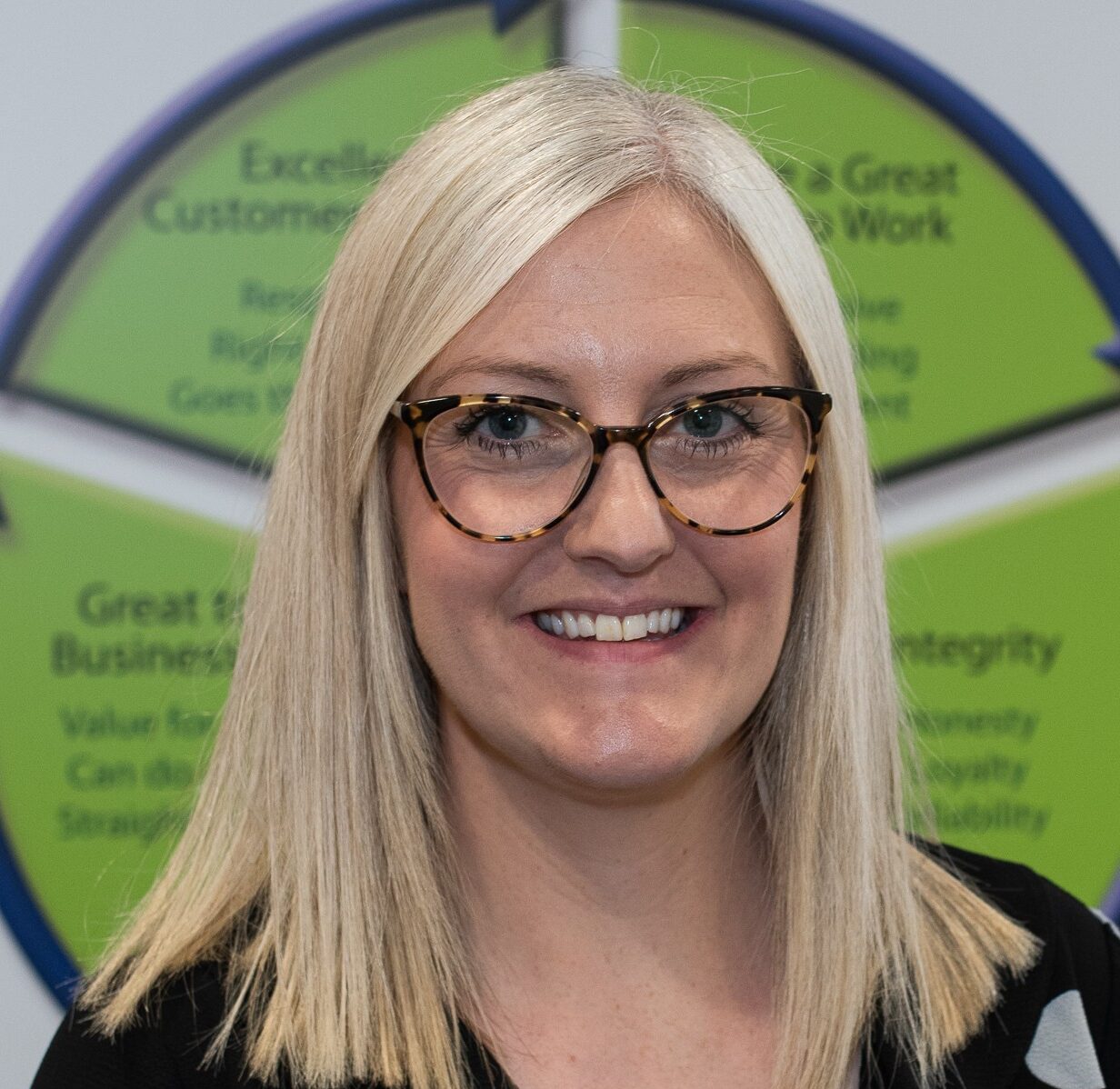
Natasha Clarke, People Director, Aptus, was recently shortlisted in the HR Leader category of the North West Leadership Awards. Here she talks about the benefits of reverse mentoring and why ongoing learning opportunities at all levels are essential.

We took on our first apprentice in 2011 and since then 70 have come through our business, recruited in business administration, finance, multi-utility, warehousing and other key roles. Out on site and in our offices, we have people, including these apprentices, who are completely new to the sector, just starting their careers, working alongside those that have been immersed in the construction sector for decades.  

Whilst different generations of workers can have vastly different values and work styles – there can be a 50-year age gap between our teams working together on site – as a business this can be hugely beneficial. Whilst of course there can be challenges when people have very different ways of working, in my experience, the benefits far outweigh any downsides.

Reverse mentoring 

Whilst we don’t have a structured reverse mentoring programme in place, as a business we work hard to encourage the transferring of skills from those new to our business, to those who have been with us for years, and vice versa. This informal mentoring has been a powerful tool for fostering innovation and enhancing knowledge transfer. 

Set objectives 

Before embarking on a reverse mentor programme, be clear about what you want to achieve. It may be that you want to introduce a formal programme, linking people up over the long term and introducing incentives such as bonuses or reward certificates – or you could informally encourage opportunities for team members to interact and learn from each other. In my experience, this route can be more effective as it allows relationships to develop naturally. It could be as simple as encouraging team members to interact at lunch time, by providing regular team lunches in a communal room, or encouraging interaction during coffee breaks. 

As many of our team are out on site most of the day informal sessions can take place during break times, and there are plenty of opportunities for younger team members to shadow experienced colleagues. Digital tools are also used to provide quick digital training sessions, with younger mentors supporting their less digitally-savvy colleagues.


We’ve found that connecting people based on a shared interest, whether that’s a love of running or a favourite football team, is a great foundation for effective reverse mentoring.

Opportunities for feedback

As well as teaming up colleagues, we also provide regular opportunities for all team members to feed back on our policies and culture, enabling everyone to share their perspectives.  Those new to the business often offer fresh perspectives and ideas that we may not have thought of before. As a result of these sessions, we’ve introduced everything from running clubs, bake off competitions, recycling initiatives and much more.

We also provide opportunities for knowledge sharing via presentations, with younger team members from different departments presenting on topics they feel passionate about, whether this is something work related or a hobby or interest they have outside of work. In a less formal set up, we find that people feel less awkward and more inclined to share ideas.   

Sustainability

As a business, we’re passionate about working in an environmentally considerate way and we’ve found that many of our new recruits bring their passion for sustainability and the planet to their role. Our apprentices, for example, have come up with all manner of suggestions as to ways we can enhance our environmental credentials, including initiatives for reducing waste across our sites.

Mental Health

Mental health challenges are sadly common in the construction sector, and construction workers, especially men, face disproportionally high suicide rates. We’ve found that reverse mentoring can have a positive impact on mental health, for both mentor and mentee, encouraging open conversations and improving mental wellbeing. Some of our younger colleagues are more comfortable speaking about mental health generally and this has fostered a supportive environment where everyone feels heard. We now have 40 Mental Health First aiders from a range of departments with various levels of experience, ready to support anyone who needs it.

Positive outcomes

Long serving team members have a wealth of lived experience to share with new colleagues and for them, engaging with younger employees offers a fresh perspective. This exposure to different perspectives fosters empathy, improving workplace relationships and making those new to the world of work feel listened to and valued. It’s all too easy to overlook the fact that new entrants have a range of valuable skills that can benefit those who have spent many years in the business, whether that’s sharing their digital knowledge or a passion for sustainability and green practices. I’d certainly encourage businesses in all sectors to consider introducing reverse mentoring as it can be so beneficial to all facets of a company.

Related Content

MEDIA ENQUIRIES

Editorial Enquiries
Partner Enquiries
Newsletter Sign Up
Schedule a Call

EVENTS

Up Coming Events
Round Tables
In Person Events
On Demand Events
Networking Events
Webinars
Panel Debates
Marketing Opportunities
Previous Events