This Much I Know | Voices

The Passion and Power Behind DEI

by Simon Kent | Jun 25, 2026

serufusa sekidde 002

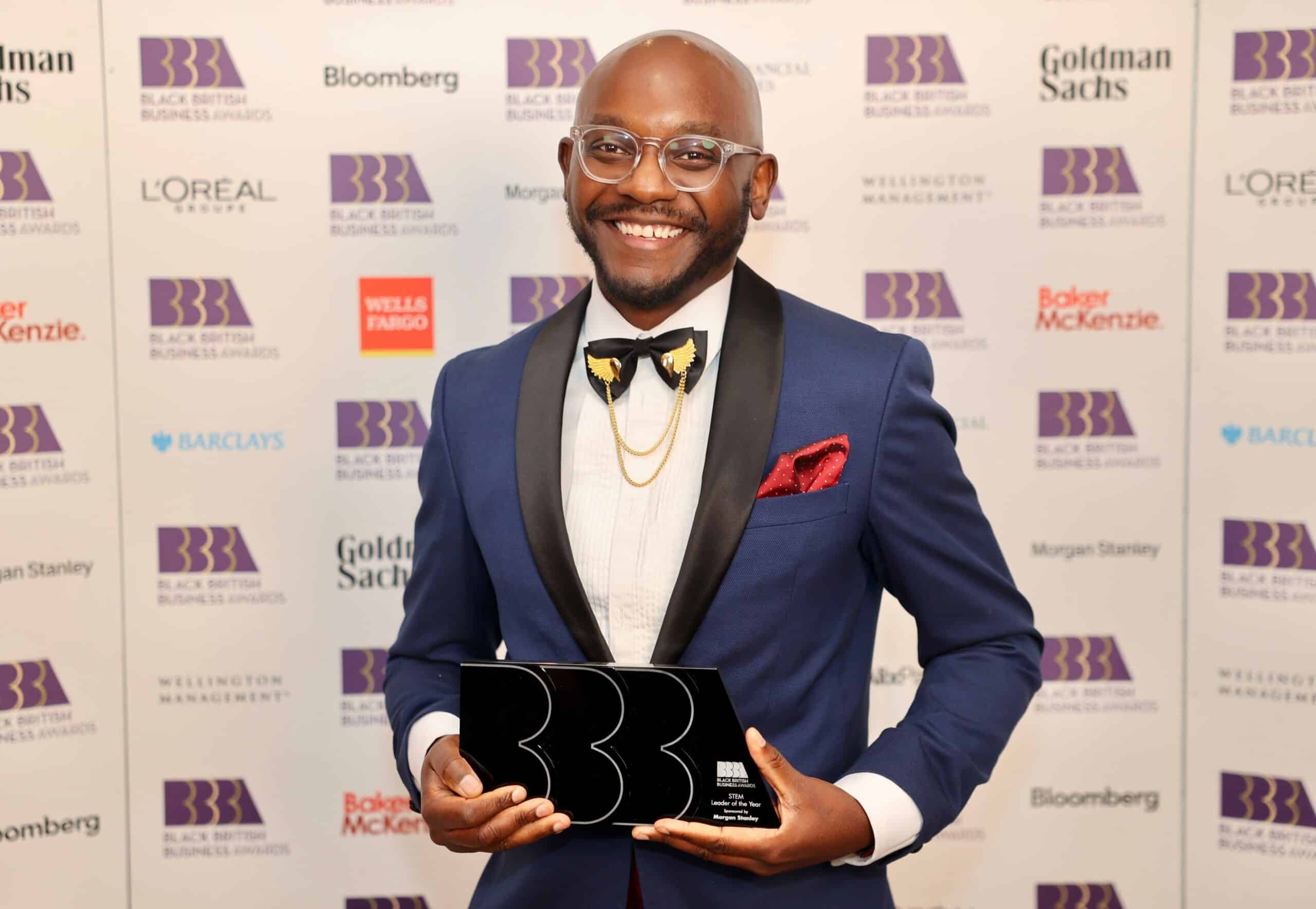
Dr Serufusa Sekidde, Chief of Staff to the CEO of ViiV Healthcare at GSK, leads the business transformation and performance acceleration for the HIV business. He has won multiple awards including the STEM Senior Leader Award at the Black British Business Awards, 2025.

In this piece Dr Sekidde is sharing his personal perspective based on his experience, rather than speaking on behalf of GSK.

Q: Please give us an example of a DEI initiative you’ve led.

A: I’ve worked on DEI across a few different contexts in the UK, the US and globally and in slightly different roles.

In the US, through my work with United States Pharmacopeia, I was involved in broader conversations around equity in healthcare systems and access, which gave me an external, system-level perspective.

In the UK, and more broadly within GSK, my focus has been on employee experience, culture and organisational change, particularly how you move DEI from something people talk about to something people actually feel in their day-to-day work.

From 2022 – 2025, I co-led EMBRACE, GSK’s global race and ethnicity Employee Resource Group (ERG). When I got involved, we were focused on scaling it from a relatively small network into a global platform for employee voice and practical change.

During that time, it grew from fewer than 5 chapters to over 20, with more than 3,000 members across 70 countries. But what mattered most to me wasn’t just the numbers. It was ensuring the ERG operated as more than just a community. We wanted it to be a reliable mechanism to surface issues, challenge things constructively, and connect the everyday employee experience directly into leadership conversations and decision-making.

Q: How did this project come about and how did you get involved?

A: For me, this work is personal. In Nov 2010, I was among a group of Harvard students who were kicked out of a Boston night club because we were Black. That was my inflection point, turning me into a vocal and visible social activist for racial, ethnic, and cultural diversity, equity and inclusion.

I promised myself I would never stand by the wayside again.”

We had gone to party after the Harvard-Yale football game that day and the night club believed there were “too many Black students, which would attract local gangbangers”. Vindicating us several months later, a court later ruled that was racial stereotyping and fined the club. In those few months while we were waiting for the verdict, there were anecdotal reports that many Black students were deeply affected emotionally and psychologically and, in some cases, impacting our academic grades. Undeniably, this soured the Boston social experience for many of us who had come from outside. I promised myself I would never stand by the wayside again – I had to fight for diversity, equity and inclusion of anyone and everyone, regardless of race or ethnicity, sexual orientation, disability, or gender.

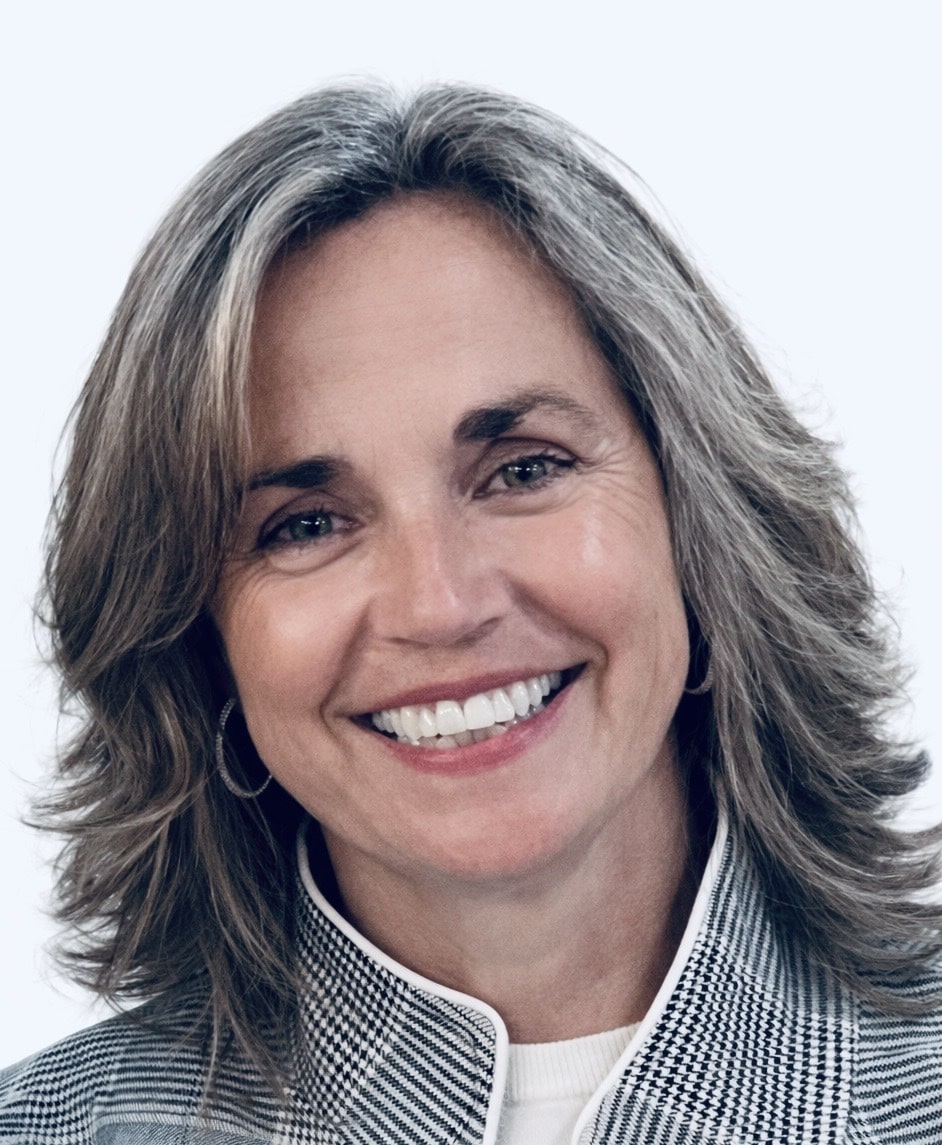
 

Within GSK, EMBRACE grew because colleagues simply wanted a stronger voice on race, culture, and belonging, and they wanted clearer action.

My role was to help globalise the ERG, build chapters in new markets, and work with HR and leadership to ensure those employee perspectives were actually heard and acted on. That included contributing to discussions through forums like the Intersectionality & Inclusion Council. A consistent focus for me was making sure the organisation was clear and responsive, because uncertainty on issues that matter to people can easily erode trust.

Q: How were results measured?

A: I tend to look at impact across four main areas:

  • Scale and reach: Growing the network to 3,000+ members globally.
  • Enterprise influence: Contributing to the broader company discussions that supported the publication of GSK’s UK Ethnicity Pay Gap. This was acknowledged in the GSK Annual Report that year.
  • External recognition: Helping our internal work get recognized externally, such as EMBRACE being named a Top 10 ERG at the Ethnicity Awards.
  • Engagement and pull-through: We saw large, global audiences attend our inclusion sessions, and there was clear evidence of a positive impact on the employer brand—including new hires specifically referencing GSK’s stance on ethnicity pay gap transparency as a reason they joined.

Q: How important do you feel DEI initiatives are now vs before?

A: I see DEI as part of how a business operates, not a stand-alone initiative.

As I argued in a recent piece on in book chapter I wrote on diversity, equity and inclusion in the corporate work context, for a recently published book (Healthy High Performance Unlocking Business Success Through Employee Wellbeing by Dr Monika Misra, and world-renowned expert on wellbeing in organisations, Sir Cary Cooper), diversity, equity, and inclusion should simply be the cultural norm. Inclusive, people-centred environments are fundamental to employee wellbeing and performance. What has changed today is expectation. There is very little tolerance left for DEI as just a campaign or a set of statements. People expect it to show up in leadership behaviour, decision-making, policy, and everyday experience. The organisations getting it right are the ones embedding it, not labelling it.

Q: What are the principal benefits for employers?

A: The benefits are highly practical: you attract and keep better talent, build higher trust and engagement, make better decisions, and create a more resilient performance culture. ERGs can act both as catalysts for change and as a mirror to the organisation, helping surface issues early and constructively.

without inclusive, people-centered workplaces, employee wellbeing suffers, and productivity suffers with it.”

At a day-to-day level, inclusion is often just about removing friction. I’ve spoken before about colleagues asking for simple adjustments during Ramadan – it’s not about special treatment, it’s just the ability to work in a way that respects their context. That is where inclusion becomes tangible.

Q: Is there a link here to business outcomes?

A: I wouldn’t position DEI as a single lever for performance, but there is a clear chain reaction. When you build an inclusive environment, you foster a sense of belonging. That belonging supports employee wellbeing, which naturally drives engagement – and highly engaged people perform better.

I’ve written before that without inclusive, people-centered workplaces, employee wellbeing suffers, and productivity suffers right along with it. In practice, I’ve seen this play out: high engagement in inclusion programs, a stronger employer brand, and a direct influence on talent decisions. The effect is real. It might not show up in a single isolated metric overnight, but it absolutely shows up through your people, your culture, and your performance over time.

serufusa sekidde 002

Related Content

MEDIA ENQUIRIES

Editorial Enquiries
Partner Enquiries
Newsletter Sign Up
Schedule a Call

EVENTS

Up Coming Events
Round Tables
In Person Events
On Demand Events
Networking Events
Webinars
Panel Debates
Marketing Opportunities
Previous Events