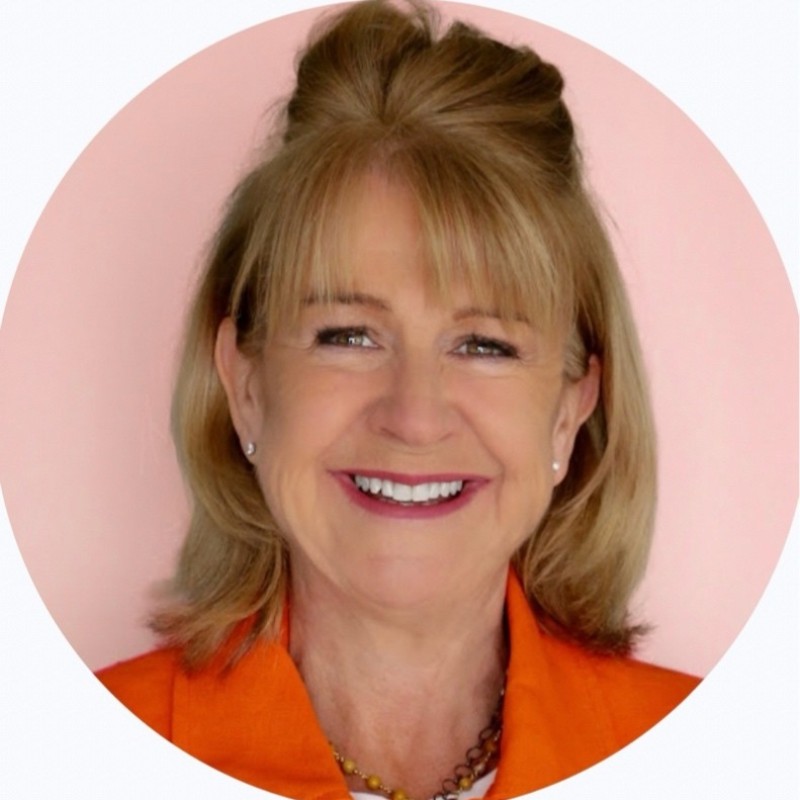

Lynne Watson, VP of HR at Thales UK on attracting and retaining staff who don’t want to stand still.
Ask most organisations why good people leave, and it’s all too easy to immediately jump to pay, benefits or a promotion. Those things matter, of course they do, and while employers should never lose sight of that – but it doesn’t just end there. There’s another fundamental question that matters just as much: can people see a future for themselves with you?
I’ve spent a lot of my career talking to people about their ambitions, and very few people want to stand completely still. They want to learn, explore, take on new challenges and feel that they are growing. That doesn’t necessarily mean chasing a promotion every couple of years, and growth means different things to different people. But when that sense of movement disappears, people can quickly start looking elsewhere for it.
For large organisations in particular, this presents both a challenge and an enormous opportunity. We often have far more possibilities available to people than smaller businesses can realistically offer. The difficulty is making those possibilities visible and accessible.
Careers no longer move in straight lines
The idea of the linear career ladder is becoming increasingly outdated. The skills organisations need are continuously evolving, roles are changing, new disciplines are emerging and technology is reshaping parts of jobs that may have looked very different even five years ago.
That makes it tempting to become very focused on particular technical skills or experience when thinking about talent, but some of the qualities that allow people to succeed over a long career are much more fundamental.
Curiosity, adaptability, creative and critical thinking, an ability to work with others and, crucially, a willingness to keep learning can take someone a very long way.
"Retaining talent cannot mean retaining somebody indefinitely within your own team."
For employers, that should change how we think about career development. If we only look at where somebody has been, rather than where they might be capable of going, we risk overlooking talented people who are already inside our organisations.
Some may want to progress into management, whereas others will get more fulfilment by deepening their expertise without managing anybody – or even move sideways into an entirely different discipline. None of those routes should be treated as somehow less legitimate than another.
The question should be how we create enough movement for people to keep discovering what they are capable of.
Make the organisation bigger than the job
At Thales, around half of our roles are filled internally, and that’s not by accident either. We want people to see our organisation as somewhere they can build a career rather than simply do a job.
That distinction matters.
Large corporates can sometimes feel difficult to navigate from the inside. There may be hundreds of roles, projects and teams available, but an employee can still feel confined to the relatively small part of the organisation they encounter every day. The wider organisation must feel accessible to them.
That means creating pathways for people to move across as well as up, giving them opportunities to develop new skills and, importantly, having managers who are prepared to support that movement.
This last point can be one of the hardest. Good managers naturally want to keep good people. But retaining talent cannot mean retaining somebody indefinitely within your own team. Sometimes the best thing a manager can do for an employee, and ultimately for the organisation, is help them move somewhere else.
We should be asking whether we would rather lose a talented person to another team in our business or lose them from the organisation altogether.
Give people permission to learn
There is also a wider cultural lesson here. If we tell people they can explore different careers but only ever appoint somebody who has already done the exact job before, then the message is fairly obvious. Internal mobility cannot work unless organisations are prepared to back potential.
Reskilling will become an increasingly important part of this. There will always be circumstances where organisations need to recruit specialist expertise externally, and fresh perspectives are incredibly valuable. But businesses can also underestimate how much the people they already employ are capable of adapting.
Employers also need to make it safe to be a beginner again. Moving into a new area can mean going from being the person who knows the answers to the person asking the questions. That takes confidence, particularly later in somebody’s career. Creating a culture in which learning, experimenting and occasionally getting something wrong are accepted parts of development makes that movement much more realistic.
Listen to the questions younger workers are asking
I find the media narrative around Gen Z pretty jarring to be honest, especially when they are labelled as ‘demanding’. In many cases, they are asking perfectly reasonable questions that previous generations may have thought but not necessarily voiced.
In my experience, younger workers are looking for transparency and authenticity and are highly sceptical of corporate language that does not match their everyday experience.
"People want to understand where their work fits into the bigger picture."
That means employers have to be much more tangible about development. Show people the possibilities. Give them examples of colleagues who have moved between disciplines. Explain what skills they will need. Give them opportunities to work on something outside their immediate remit. Most importantly, let them make a meaningful contribution.
At Thales, this willingness to question established practices has also influenced how we think about recruitment. We have moved away from some traditional approaches, including psychometric testing, where we felt the process could allow only a particular type of candidate to shine. We have introduced more engaging and gamified approaches that give candidates greater opportunity to demonstrate curiosity and learning agility, rather than judging potential solely through academic success or one narrow measure of ability.
Purpose has to connect to the everyday
Development is only one part of retention, though, and talented people also want to understand why their work matters.
Purpose can become a rather abstract corporate word unless employees can connect it to what they actually do. People want to understand where their work fits into the bigger picture. That becomes particularly important in a large organisation, where it can otherwise be easy to feel several steps removed from the ultimate outcome.
Managers have an important role here too. Career conversations should not just happen once a year as part of a formal process. We need to understand what people are interested in, what they want to learn and what might motivate them next. Sometimes the answer will surprise us.
Retention is about creating somewhere worth staying
We now have five generations in the workforce, each bringing different experiences and expectations. I don’t think the answer is to design the workplace around one particular generation. It is to keep asking what people need in order to do their best work and build careers that remain interesting to them.
The organisations that attract and retain talented people will still need to think seriously about pay and benefits. Those fundamentals are not going away.
But neither are they enough on their own.
For people who are curious and ambitious, one of the most powerful reasons to stay is knowing that they have not exhausted what an organisation can offer them.
Large businesses have an advantage here if they are prepared to use it. They contain different disciplines, projects, technologies, locations and career paths, often under one roof. The opportunity is to turn that scale into possibility rather than complexity.
Ultimately, retaining people who do not want to stand still does not mean persuading them to stay where they are. Quite the opposite.
It means helping them keep moving without feeling that they have to leave the organisation to do it.