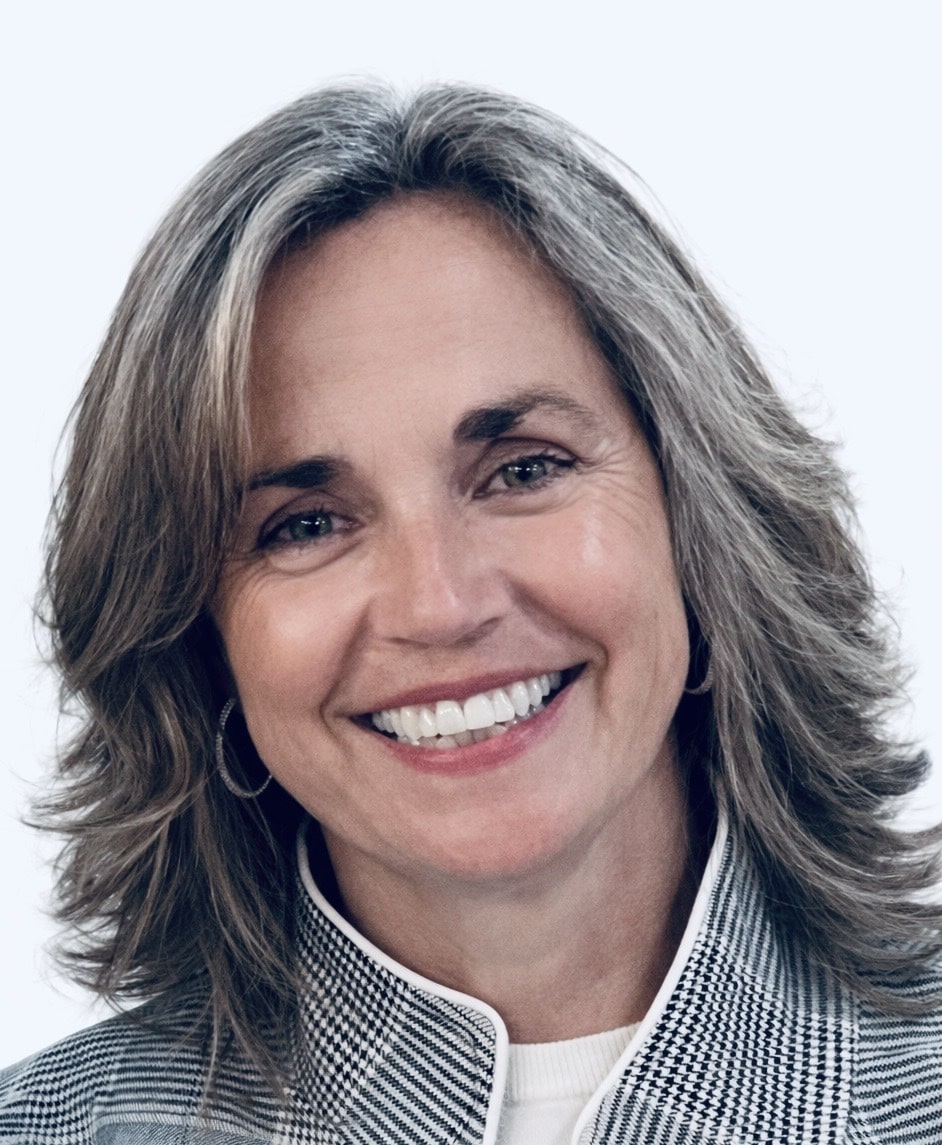
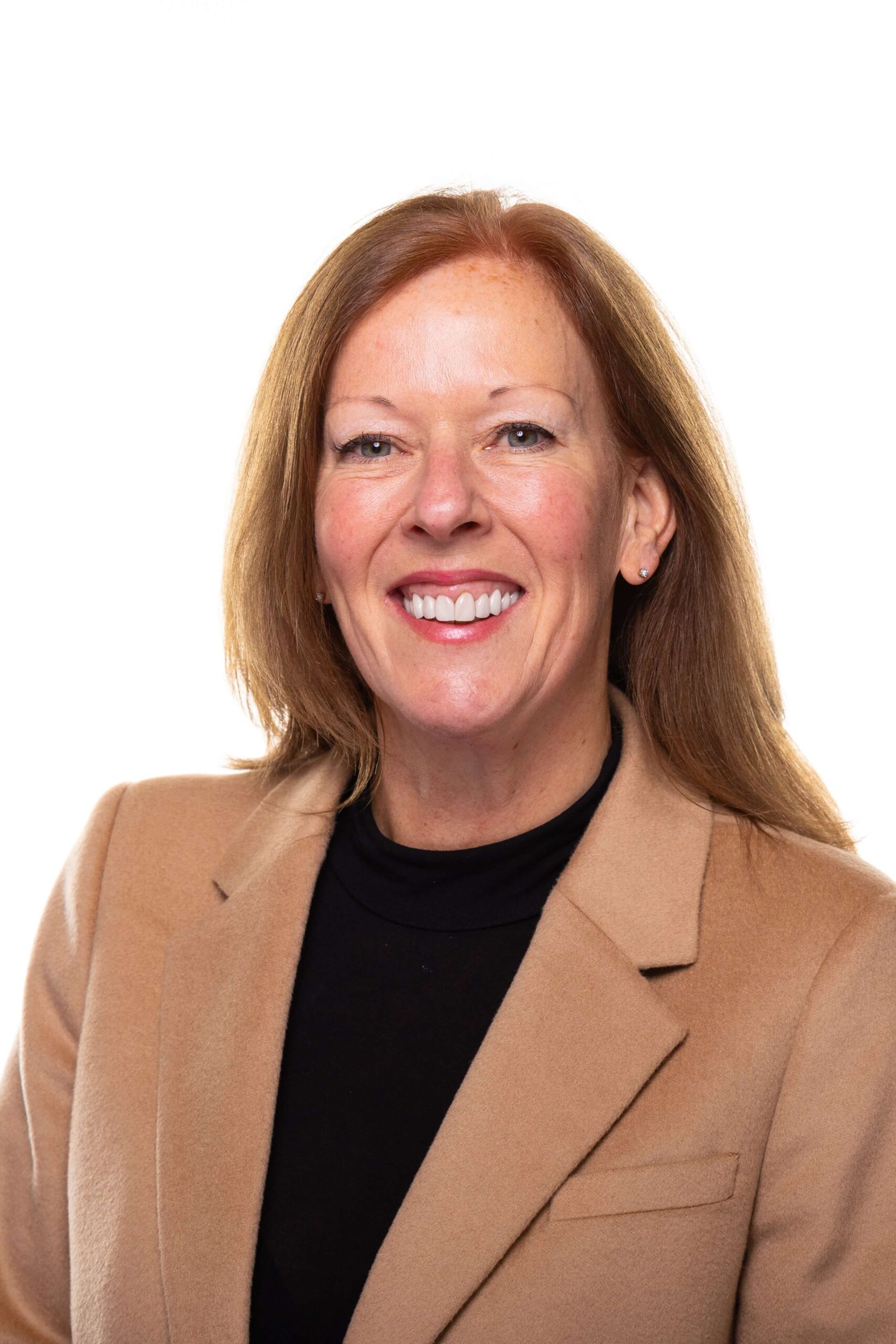
Angela Paterson, SVP People, Talent & Culture at data centre services company Salute on workforce planning and tapping into military veteran talent.
Q: Can you give an insight into your business from a people perspective? How many people are you employing and in what kind of roles? Where are you needing more people and skills?
A: At its core, Salute is a people business that happens to operate in data centres. Our success is built upon the expertise and commitment of our people. Today, we employ over 2500 people globally, with teams across North America, EMEA, and increasingly APAC, supporting clients in over 100 markets.
Our work spans the entire data centre lifecycle, from design and build, through commissioning and integration, to day-to-day operations, facilities management, smart hands support and decommissioning. This means our workforce includes everything from critical facilities technicians and engineers to commissioning specialists, project managers and operations leaders.
Right now, our strongest area of growth is in Europe. As demand for AI-driven and hyperscale data centre capacity continues to increase, the industry is facing a shortage of skilled technical talent. To meet this growing demand, we are continuing to expand our EMEA operations and are actively hiring critical facilities engineers, technicians and commissioning professionals across the region, while also maintaining strong growth across North America.
Q: How is your talent management strategy impacted by being a global company? Do you move talent around the world and is your business structured according to where the talent lies?
A: Being a global business shapes how we think about talent. We’re structured around the regions we support, across North America, EMEA and APAC, each with its own leadership team and local talent strategy. It’s an important approach because every market has different hiring practices, employment laws and technical accreditation requirements.
At the same time, we operate as one global company with shared values, consistent standards, shared training and the same technology across our teams.
That regional structure doesn’t mean talent stays static. While we focus on building strong local talent in every region, we also have the flexibility to move specialist expertise across borders when our clients or projects need it. For example, we’ve brought commissioning and engineering specialists from one region to support growth in another, particularly as we’ve expanded our footprint across Europe.
So it’s less structured entirely around where talent lies and more that we build local depth in every region while keeping the ability to move specialist skills globally when it’s needed.
Right now, with the market evolving so quickly and growth accelerating in new regions, we’re seeing similar talent challenges wherever we operate. Our approach is never ‘one size fits all.’ We tailor our talent strategy to the specific challenges and demands of each region, ensuring we’re meeting both local needs and client expectations.
Q: You look to military veterans for a proportion of your talent. How did this come about and what does it mean for recruitment/development of talent in the business?
A: This is actually where Salute began. When the company was founded in 2013, our leadership recognised something the industry had largely overlooked. Veterans leaving service and starting to transition into civilian careers already have hands-on experience operating complex mechanical, electrical, communications and critical systems. They also have the skillset and ability required to perform under pressure which are invaluable in the data centre industry.
Rather than filtering candidates out because they did not have direct data centre experience, we built our recruitment and training model to recognise those transferable skills and help veterans transition into long term careers within the industry.
Since then, we’ve hired, trained and placed several thousand veterans and military spouses globally, and that pipeline continues to grow. Through pathways like our Salute Military Community Pathway and our SkillBridge programme, supporting veterans remains a central part of how we recruit today. As we scale in EMEA, we’re applying the same model there, and plan to apply the same approach to other talent markets. I’m proud to help drive that work as our Armed Forces representative for Infrastructure Masons in the region.
This approach is a core part of our business strategy.