This Much I Know | Voices

Engineering Powerful Competencies

by Simon Kent | Aug 27, 2025

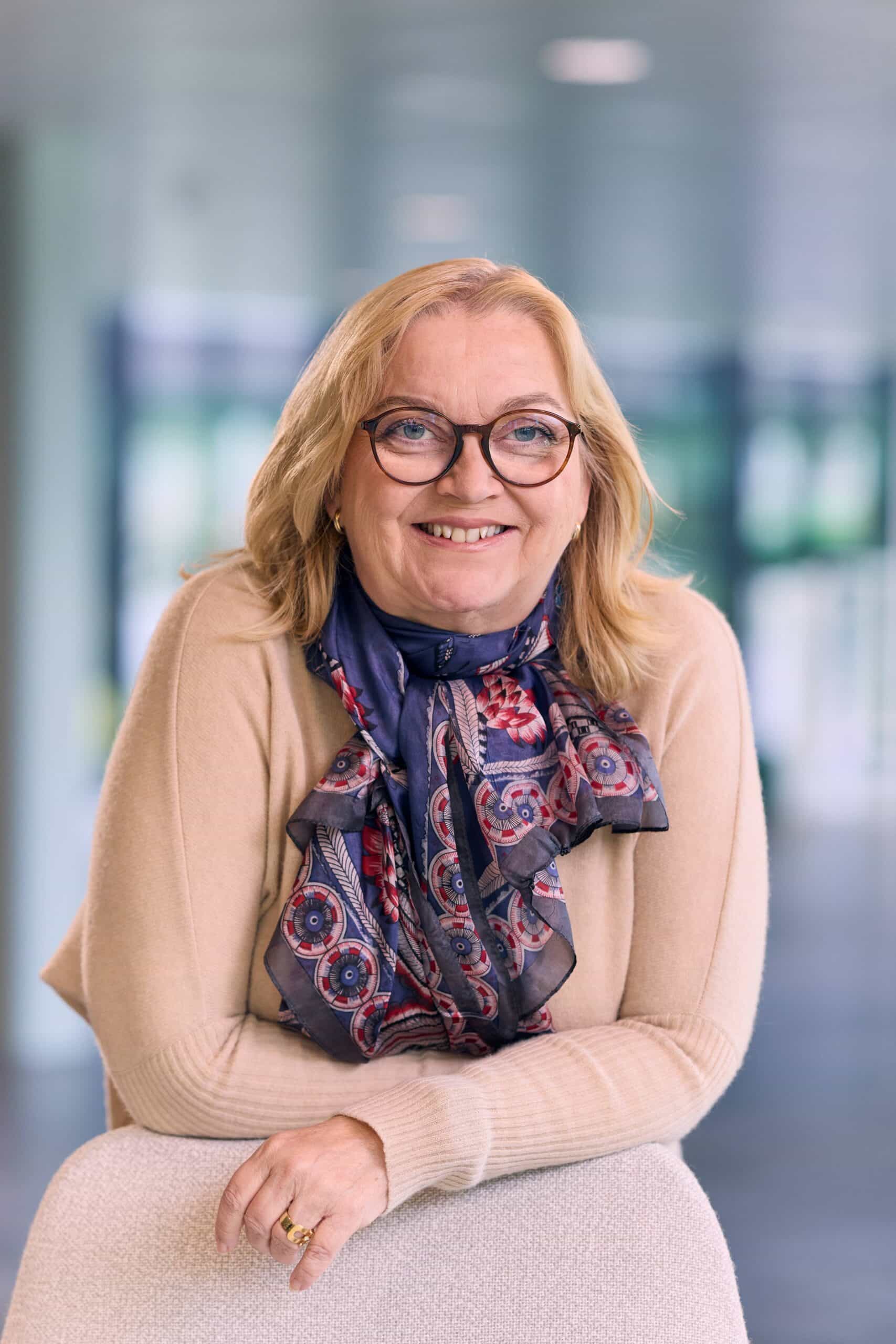
Building huge floating oil exploration vessels is, says Anne Guerin Moens, Group HR Director of SBM Offshore, very close to rocket science. Building an oil refinery on a ship requires a high degree of skill from design through to build and for her company of 7500 people it’s hardly surprising to find that 90 per cent of the workforce are engineers. 

The company’s sense of pride in their work is unquestionable, however, the business is also well aware of the challenges that exist in creating, managing and developing this workforce. 

Giving employees control and power

According to Moens one issue facing the sector is that workers do not have a good perspective on, or transparency around their career options. To some extent workers are simply putting their heads down and doing the job, and while SBM’s record for employee satisfaction is higher than the industry average, the business believed it could do better, not least in continuing to address the gender imbalance that pervades the industry.

In order to do this, the company decided to move away from the existing more paternalistic style towards something that offered the chance for an ‘adult to adult’ relationship between manager and employee, and across the company.

“We wanted our employees to be in the driving seat of their own careers,” explains Moens, “and to do do that we needed to have a dialogue about the competency and ability of each employee. Through that we could also define and measure the contribution of the employee to the company goals.”

Building a competency structure that works

The answer was to create a competency structure which covered every role within the business. Unsurprisingly, creating the framework alone took more than a year of work, redefining the architecture of how each role related to another, and then working with managers on the functional and behavioural competencies relating to each position.

Having completed that and made it accessible through the HR IT system the company is now engaging in the first self-assessments by employees. During these assessments the employee initially decides how they compare to each competency – are they ‘junior’ or ‘mastering’ the competency – and these self-assessments are then validated by their immediate managers. 

The competency structure has also enabled the business to create career paths within each job family.  There are now graphic representations – “Metro maps” – depicting career paths within the company giving employees a clear visualisation of where they currently are and where they can go.

A positive mind shift for employees

“The shift has moved our employees from asking ‘what do I need to do’ to being able to assess what they are capable of doing and how they can build on that,” says Moens. 

“With that information they can then make their best contribution to the overall business goal. We hope that this will support our position where no-one in the company just comes to work to get a pay check.
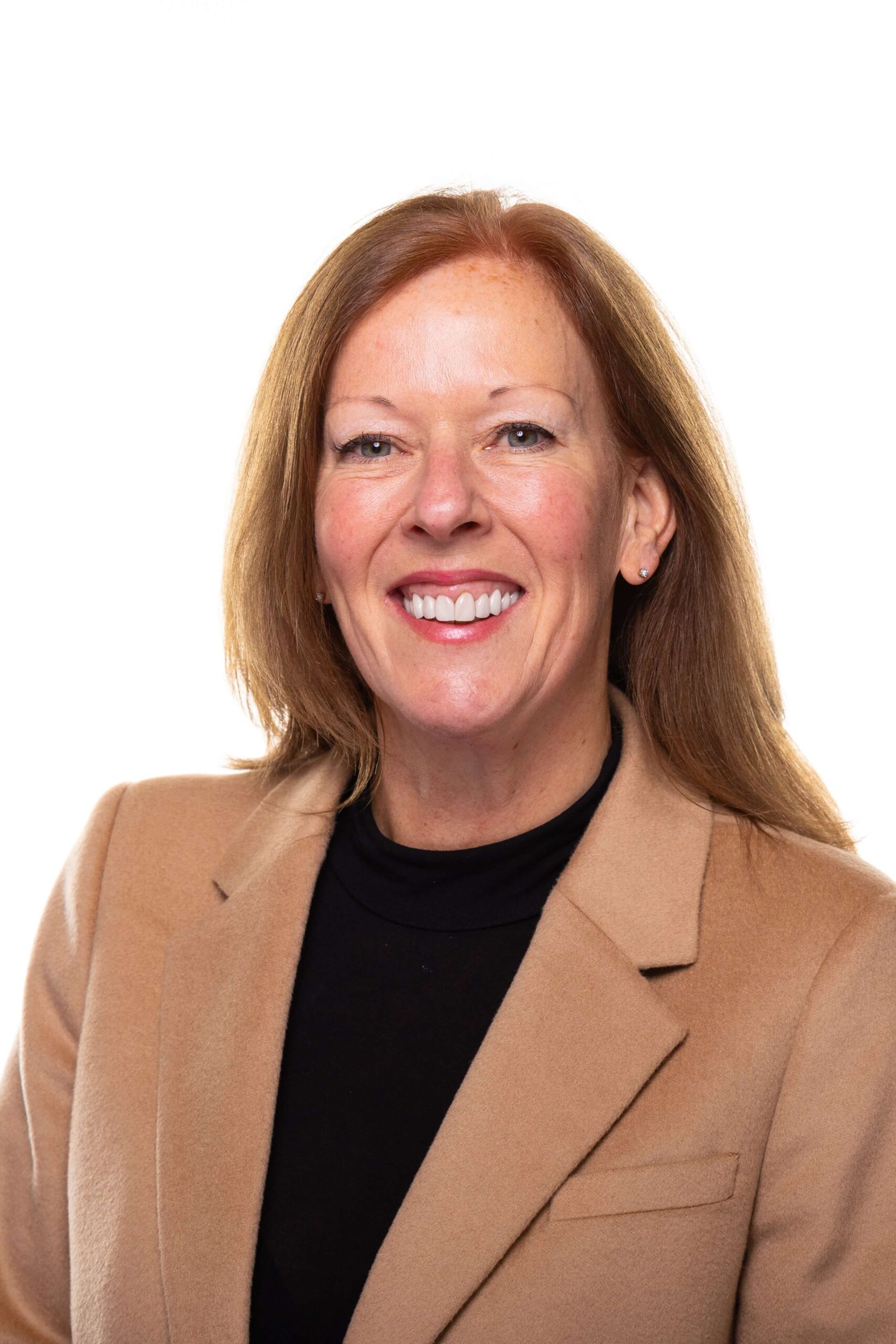

“We want everyone to feel they are contributing to a goal greater even than the business itself.”


Making the switch to the competency framework represented a huge change programme for the business and Moens is more than aware that such projects can fail if they are not introduced properly. To make this work, therefore, the competency framework was created with the management from the top of the organisation down. Moens does not underestimate the scale of the work – noting the the HR Business Partners contributing to this did so while also working on their regular HR work.

Learning and development has supporting role

“Another piece of work was to ensure there were learning and development opportunities in place for these competencies to be acquired and developed,” adds Moens. After all, there would be little point in switching to the new system if there were not also a way for employees to progress. “That’s why this was a cultural change that went beyond what HR did,” she says, “we had to have the whole executive committee behind this – and that made it a really exciting exercise.”

The switch to competencies effectively meant the company could now objectify the performance of their people: “When we created the competencies we tried to be concrete and clear about each of the proficiencies,” says Moens. “By doing this it means the assessment is less biased and you can have a real conversation about your work and ability.”

According to Moens competencies are broader and more flexible than skills: “I can be a good cook but not able to cut the lamb the right way,” she offers by example: “Cooking is the competency but cutting is a skill.” Whether someone is skilled or not is, she believes, is more of a judgement call, whereas a competency is more certain and opens up more prospects and possibilities for individuals to develop and progress.

Competencies supporting equality

This, then, also feeds back into giving employees more equal opportunities within the company and even across the industry. It will come as no surprise that only 30% of qualifying engineers are women, but Moens doesn’t believe that should translate to there only being 30% women within their business. The competency approach removes bias from the recognition and development of individuals, concentrating on ability and progress – so the impact could be significant.

“I was one of the first women to be on an executive committee of a big firm,” she says. “I got that job because of my competency, not because of my gender.”

A radical, original and unique step forward within the industry, SBM Offshore’s competency approach offer an objective framework to focus on what the potential of people whatever their gender or background.

Related Content

MEDIA ENQUIRIES

Editorial Enquiries
Partner Enquiries
Newsletter Sign Up
Schedule a Call

EVENTS

Up Coming Events
Round Tables
In Person Events
On Demand Events
Networking Events
Webinars
Panel Debates
Marketing Opportunities
Previous Events